
 فارسی
فارسی
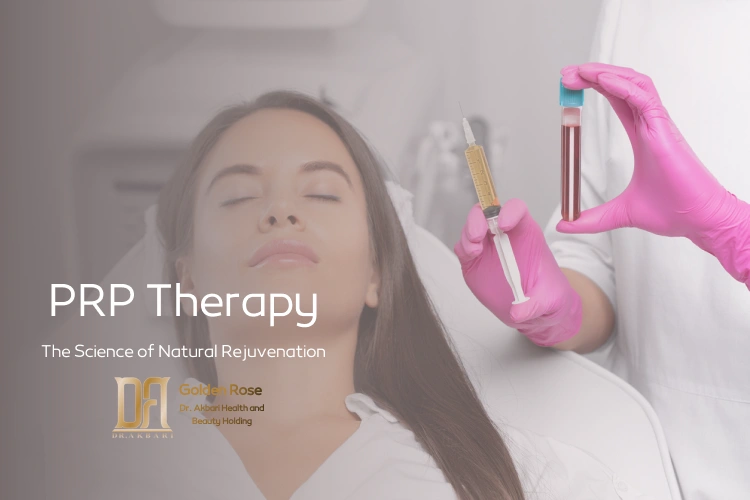
What Is PRP and What Does It Contain?
PRP, or Platelet-Rich Plasma, is a concentrated form of your own plasma enriched with platelets — blood components packed with growth factors that accelerate cell repair, collagen production, and tissue regeneration.
Scientific Definition of PRP
PRP stands for Platelet-Rich Plasma — a component derived from human blood, which consists of:
- Red blood cells (RBCs)
- White blood cells (WBCs)
- Platelets
- Plasma
Plasma is the liquid portion of blood, composed of 90–92% water and proteins such as albumin, globulins, and fibrinogen.
During PRP preparation, this plasma is processed to increase platelet concentration — boosting the number of growth factors that promote healing and rejuvenation.
Growth Factors in PRP and Their Functions
| Growth Factor | Main Function | Therapeutic Effect |
|---|---|---|
| PDGF | Stimulates cell division and tissue repair | Accelerates healing |
| VEGF | Promotes new blood vessel formation | Improves oxygen supply |
| EGF | Enhances epidermal cell growth | Aids in skin regeneration |
| TGF-β | Controls inflammation and healing | Reduces scars and improves wound repair |
| IGF | Stimulates fibroblast activity | Boosts collagen production |
These biologically active proteins make PRP a powerful natural regenerative therapy.
How PRP Is Prepared and Injected
- Blood Collection: 10–20 ml of the patient’s blood is drawn from a vein in the arm.
- Centrifugation: The sample is spun in a centrifuge to separate components by density.
- Platelet Concentration: The middle plasma layer, rich in platelets, is isolated.
- Injection: The PRP is injected using fine needles into target areas such as the face, scalp, or joints.
Types of PRP and Their Uses
| Type | Characteristics | Best Application |
|---|---|---|
| LR-PRP (Leukocyte-Rich) | Higher white blood cell content | Muscle and joint injuries |
| LP-PRP (Leukocyte-Poor) | Lower inflammation potential | Skin and hair treatments |
| P-PRP (Pure PRP) | No fibrin content | Aesthetic microinjections |
| PRF (Platelet-Rich Fibrin) | Contains natural fibrin mesh | Wound healing & dentistry |
Aesthetic and Therapeutic Applications of PRP
PRP therapy is widely used for skin rejuvenation, wrinkle reduction, pigmentation correction, scar treatment, hair restoration, and tissue healing.
It is a natural, autologous method that accelerates repair by activating the body’s own growth factors.
PRP for Skin Rejuvenation
When injected into the skin, PRP stimulates fibroblast activity — boosting collagen and elastin synthesis.
Results include:
- Reduction of wrinkles and fine lines
- Improvement of scars and pigmentation
- Enhanced firmness and natural radiance
💡 Combining PRP with microneedling or mesotherapy enhances absorption and long-term results.
PRP for Hair Loss and Hair Strengthening
PRP is an effective treatment for androgenic alopecia (hormonal hair loss). The injected platelets release growth factors that reactivate dormant hair follicles, promoting stronger and thicker regrowth.
Benefits:
- Gradual reduction of hair shedding
- Activation of new hair growth
- Increased hair thickness and strength
- 100% natural and chemical-free
| Combination Therapy | Clinical Result |
|---|---|
| PRP + Topical Minoxidil | Up to 40% greater regrowth |
| PRP + Mesotherapy | Faster improvement within 3 months |
| PRP Alone | Noticeable results in 4–6 months |
PRP for Joint and Muscle Repair
In orthopedics, PRP is used to reduce inflammation, improve cartilage regeneration, and accelerate recovery from joint injuries.
Clinical studies have shown that PRP injections in the knee can significantly reduce pain and improve mobility for up to 12 months.
🔬 According to a 2024 study published in the American Journal of Sports Medicine (SAGE Journals), PRP provided longer-lasting pain relief compared to hyaluronic acid injections.
Why PRP Is an Excellent Complementary Therapy
Because PRP uses your own blood, it’s completely biocompatible and carries virtually no risk of allergic or immune reaction.
It can also be safely combined with other rejuvenation procedures.
| PRP Advantage | Scientific Explanation |
|---|---|
| No synthetic substances | Derived from your own blood |
| Natural cell stimulation | Growth factors activate stem cells |
| Minimal side effects | No allergic or rejection risk |
| Compatible with other treatments | Works synergistically with microneedling or mesotherapy |
| Gradual, long-lasting results | Improves over weeks with natural regeneration |
Possible Side Effects
PRP therapy is considered extremely safe, but mild, short-lived reactions may occur, such as:
- Temporary redness, swelling, or bruising
- Mild tenderness or burning sensation
- Slight inflammation at the injection site
These effects usually subside within 24–48 hours. At Dr. Akbari’s Clinic, advanced sterile protocols minimize these risks.
Cost of PRP Therapy in Tehran
The cost of PRP varies depending on:
- Treatment area (face, scalp, or joints)
- Number of sessions required
- Type of kit and equipment used