

 فارسی
فارسی
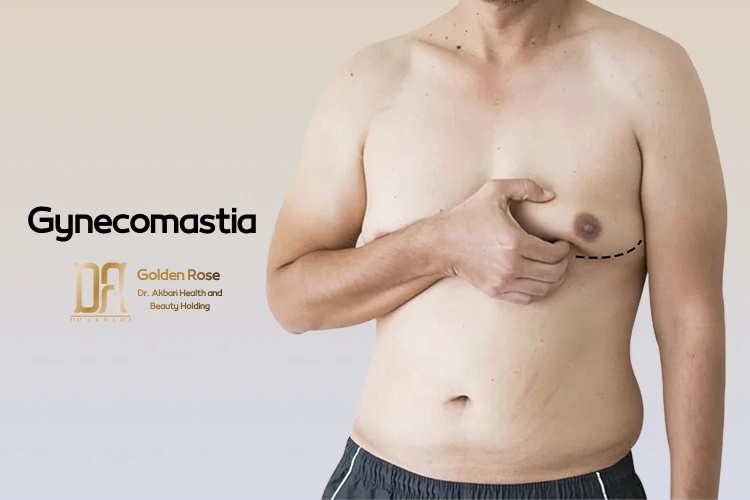
What is Gynecomastia?
Gynecomastia is a condition in which men experience abnormal growth of breast tissue, giving the chest a more feminine appearance. This issue is usually caused by hormonal imbalance—specifically, increased estrogen or decreased testosterone—and can occur at any age.
When Does Gynecomastia Occur?
Gynecomastia typically appears in three stages of life:
1. Infancy
Nearly half of male newborns show temporary breast enlargement due to maternal estrogen. This usually resolves naturally within a few weeks.
2. Puberty
Hormonal changes during adolescence can reduce testosterone and increase estrogen. Some teenage boys may develop swollen or enlarged breasts, which usually self-correct as hormone levels stabilize.
3. Adulthood and Middle Age
As men age, especially over 50, testosterone production declines. Both hormonal imbalance and increased body fat can lead to gynecomastia.
Causes of Male Breast Enlargement
Gynecomastia is not always just a hormonal issue. Various factors may contribute:
- Medical Conditions: kidney failure, liver disease, hyperthyroidism, hypogonadism, testicular or adrenal tumors
- Medications: metoclopramide, digoxin, cimetidine, diazepam, anabolic steroids, anti-androgens
- Substance Use: amphetamines, methadone, heroin, marijuana
- Obesity: higher body fat increases estrogen, stimulating breast growth
Gynecomastia Prevalence
- 60–70% of adolescent boys experience temporary gynecomastia, usually resolving within 6–12 months.
- 30–40% of men over 50 may have persistent gynecomastia.
- Overall, 35–65% of men experience some degree of this condition during their lifetime.
How Gynecomastia is Diagnosed
A specialist diagnosis typically includes:
- Physical examination and medical history review
- Blood tests to measure hormone levels
- Ultrasound or mammography to rule out tumors or cysts
- Medication review
Self-Check at Home
If you notice increased breast tissue, ask yourself:
- Do you feel a lump in your chest?
- Is there itching around the chest or underarms?
- Is the shape of your chest abnormal?
- Do you notice nipple discharge?
If the answer is “yes” to any, consult a specialist.
Real Gynecomastia vs. Pseudogynecomastia
Enlarged male breasts are not always true gynecomastia. There are two main types:
1. True Gynecomastia (Glandular)
- Cause: Growth of glandular tissue under the nipple
- Hormonal Link: Usually from increased estrogen or decreased testosterone
- Texture: Firm, dense tissue beneath the areola
- Treatment: Persistent cases often require surgical removal
2. Pseudogynecomastia (Lipomastia)
- Cause: Excess fat in the chest, common in overweight men
- Texture: Soft, movable tissue (fat, not glandular)
- Lifestyle Link: Mostly related to obesity, not hormones
- Treatment: Weight loss, exercise, or liposuction if severe
Treatment Options for Gynecomastia
Treatment depends on the underlying cause:
- Medication Adjustment: Stop or switch causative drugs
- Lifestyle Changes: Healthy diet, exercise, weight loss
- Medical Therapy: Hormone-regulating medications in select cases
- Surgery: Recommended if breast enlargement persists or causes psychological distress
Gynecomastia Surgery
Gynecomastia surgery is a cosmetic procedure to remove excess breast tissue and fat, restoring a standard chest contour.
Procedure Steps
- Administer anesthesia
- Make small incisions on the chest
- Remove excess fat via liposuction or lipomatic device
- Close incisions with sutures
Possible Complications
- Bruising
- Scarring
- Infection
- Asymmetry
Common Surgical Techniques
- Gynecomastia Liposuction: Suction out fat and small glandular tissue
- Lipomatic Gynecomastia Surgery: Break down fat with vibration or ultrasound before removal
- Open Surgery: For severe cases with dense glandular tissue
To find out the exact cost of gynecomastia surgery, a personal consultation with Dr. Akbari, a specialized surgeon, is required. During the consultation, your condition will be evaluated, and a precise cost will be provided.
Dr. Akbari’s Golden Rose Clinic offers world-class, international-standard care. Beyond its prime location in Tehran’s northern district, the clinic also provides gynecomastia surgery in Istanbul, catering to patients seeking professional treatment abroad. With state-of-the-art facilities, experienced surgical teams, and personalized care, the clinic ensures comfort, safety, and the best aesthetic results.
For a secure and fast booking, visit the official Golden Rose Clinic booking page and schedule your consultation today.
📊 Gynecomastia Summary Table
| 🗂️ Category | 📌 Key Points |
|---|---|
| 🔎 Definition | Abnormal male breast growth due to hormonal imbalance |
| ⏰ Timing | Infancy (temporary), Puberty (self-resolving), Adulthood (testosterone decline + fat) |
| ⚠️ Causes | Hormonal imbalance, diseases (liver, kidney, thyroid), drugs, substances, obesity |
| 🔀 Types | True Gynecomastia (firm glandular tissue), Pseudogynecomastia (soft fat) |
| 🚨 Symptoms | Chest lump, pain/itching, nipple changes, discharge |
| 🧪 Diagnosis | Doctor exam, blood tests, ultrasound/mammography |
| 💡 Treatment | Lifestyle change, stop causative drugs, medications, surgery (liposuction/open) |
| 💰 Cost | Varies by severity, method, and surgeon; consult required |