
 فارسی
فارسی


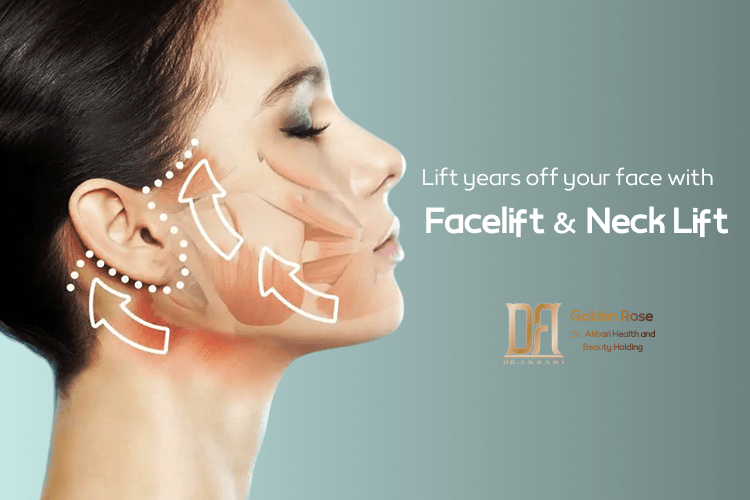
Facial aging is a natural biological process that affects everyone over time. As collagen production slows, skin gradually loses its elasticity, facial fat pads begin to shrink and descend, and the deep supportive structures of the face weaken. Together, these changes lead to visible signs of aging, including sagging cheeks, deep nasolabial folds, marionette lines, jowls, loss of jawline definition, and loose skin beneath the chin and neck.
Although aging cannot be prevented, modern aesthetic medicine has made it possible to restore youthful facial contours safely and effectively. However, not all facial rejuvenation techniques address the true causes of facial aging.
For many years, patients seeking facial rejuvenation had only two primary choices.
The first option included minimally invasive treatments such as dermal fillers, botulinum toxin injections (Botox®), thread lifts, laser resurfacing, radiofrequency devices, and ultrasound-based skin tightening procedures. While these treatments can temporarily improve certain cosmetic concerns, they primarily target the skin or superficial soft tissues and generally require repeated maintenance sessions to preserve the results.
The second option has traditionally been surgical facelift procedures. Conventional facelift surgery is capable of producing more dramatic improvements but usually involves extensive incisions around the ears and hairline, general anesthesia, visible scars, prolonged recovery, swelling, bruising, and the inherent risks associated with major surgery.
Today, facial rejuvenation is entering a new era.
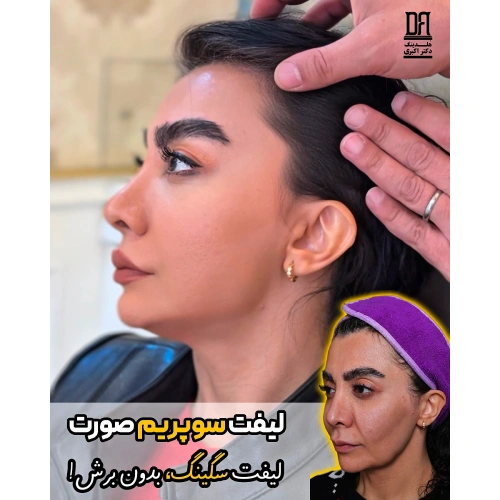
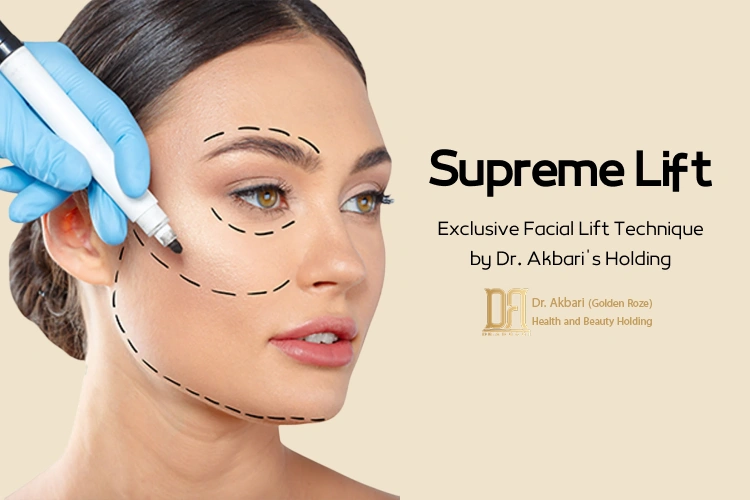
Developed exclusively through years of advanced clinical research, Supreme Lift represents an innovative approach that focuses on restoring the deeper structural support system of the face rather than simply tightening the skin.
Instead of creating an artificial or over-pulled appearance, this advanced technique repositions the facial tissues to their natural youthful position, allowing patients to achieve balanced, elegant, and long-lasting rejuvenation with significantly reduced surgical trauma.
Why Does the Face Age?
Understanding facial aging requires looking beneath the surface of the skin.
Many people assume wrinkles develop because the skin becomes thinner. While skin quality certainly changes with age, the primary reason the face appears older lies much deeper.
Several biological processes occur simultaneously during aging:
- Progressive collagen and elastin loss
- Descent of facial fat compartments
- Weakening of connective tissues
- Reduced muscle support
- Gradual downward movement of the SMAS (Superficial Musculoaponeurotic System)
- Bone remodeling and age-related volume changes
These structural alterations change the overall architecture of the face rather than simply creating wrinkles.
As facial tissues descend under gravity, the cheeks lose projection, nasolabial folds deepen, marionette lines become more pronounced, jowls develop along the jawline, and loose tissue accumulates beneath the chin.
For this reason, simply filling wrinkles or tightening the skin cannot completely restore youthful facial anatomy.
The supporting foundation itself must be repositioned.
The Limitations of Conventional Facial Rejuvenation Treatments
Modern cosmetic medicine offers numerous anti-aging procedures, but each has limitations.
Dermal Fillers
Dermal fillers replace lost volume and soften facial folds. Although they produce immediate improvements, they do not correct tissue descent. As fillers gradually dissolve, maintenance treatments become necessary.
Thread Lifts
Thread lifting provides temporary lifting by suspending superficial tissues with absorbable threads. However, the lifting effect decreases as the threads dissolve over time.
Energy-Based Skin Tightening
Radiofrequency, ultrasound, and laser technologies stimulate collagen production and improve skin quality. These treatments may tighten mild skin laxity but cannot reposition deeper facial support structures responsible for advanced facial aging.
Traditional Surgical Facelift
Conventional facelift surgery remains one of the most comprehensive rejuvenation procedures available. Nevertheless, many patients hesitate because of extensive incisions, longer downtime, visible scarring, postoperative discomfort, and the recovery period associated with invasive surgery.
These limitations have encouraged surgeons and researchers to pursue more advanced solutions capable of addressing deep structural aging while minimizing surgical trauma.
This pursuit ultimately led to the development of Supreme Lift.
Introducing Supreme Lift
Supreme Lift was designed with a fundamentally different philosophy.
Rather than focusing solely on tightening loose skin, the procedure addresses the deeper anatomical structures responsible for maintaining youthful facial contours.
By carefully repositioning these foundational support tissues, the overlying skin naturally follows into a more youthful position without excessive tension.
The result is a refreshed appearance that preserves each patient's natural facial identity instead of creating an overly tight or surgically altered look.
Patients often appear healthier, younger, and more rested rather than noticeably "operated on."
This structural approach allows multiple regions of the face to improve simultaneously, including the temples, cheeks, jawline, lower face, chin, and neck.
Instead of treating isolated wrinkles, Supreme Lift restores overall facial harmony.
What Makes Supreme Lift Different?
The defining characteristic of Supreme Lift is its emphasis on structural facial rejuvenation.
Most conventional cosmetic treatments improve surface imperfections.
Supreme Lift addresses the underlying support system.
By restoring deeper facial anatomy rather than masking visible symptoms, the procedure aims to create results that appear natural, balanced, and long-lasting.
Instead of stretching the skin, it restores the facial framework.
Instead of adding artificial volume, it repositions existing tissues.
Instead of producing temporary cosmetic enhancement, it seeks comprehensive facial rejuvenation based on anatomical principles.
This philosophy distinguishes Supreme Lift from many conventional lifting techniques currently available.
The Science Behind Supreme Lift: Targeting the Deepest Facial Support Structures
One of the most important questions patients ask is why some facelift procedures maintain their results for years while others begin to lose their effect after only a short period.
The answer lies in the depth of treatment.
Most non-surgical facial rejuvenation procedures primarily affect the skin or the superficial fat layer. While these tissues contribute to the overall appearance of the face, they are not responsible for supporting facial structure.
The true architectural framework of the face is formed by the Superficial Musculoaponeurotic System (SMAS) and the deeper fascial and muscular layers beneath it. These structures act as an internal support network, maintaining the position of the cheeks, jawline, neck, and surrounding soft tissues.
As aging progresses, these supporting tissues gradually weaken and descend under the influence of gravity. This downward movement creates many of the visible signs of facial aging, including sagging cheeks, jowls, deep facial folds, and loss of jawline definition.
Unlike treatments that simply tighten the skin, Supreme Lift focuses on repositioning these deeper structural layers.
By restoring the facial support system to a more youthful anatomical position, the overlying skin, fat, and connective tissues naturally follow without excessive tension.
This approach creates facial rejuvenation that appears balanced, refined, and remarkably natural.
Facial Rejuvenation Without Extensive Facial Incisions
One of the defining characteristics of Supreme Lift is its minimally invasive surgical approach.
Traditional facelift procedures typically require long incisions extending around the ears and into the hairline to access the deeper facial tissues. Although these techniques can produce impressive results, they also increase the likelihood of prolonged swelling, visible scars, extended recovery, and surgical discomfort.
Supreme Lift was developed to minimize tissue trauma while maintaining comprehensive structural correction.
Using carefully planned access points concealed within the hair-bearing scalp, surgeons can reach the deeper facial support structures without creating extensive visible facial incisions.
For appropriately selected patients, this approach offers several important advantages:
- Minimal visible scarring
- Reduced postoperative swelling and bruising
- Faster recovery compared with conventional facelift surgery
- Preservation of the natural hairline
- Lower disruption of surrounding tissues
- More comfortable postoperative healing
Because the skin is not placed under excessive tension, patients typically maintain their unique facial characteristics rather than developing the overly tight appearance sometimes associated with older facelift techniques.
Comprehensive Facial Rejuvenation From the Temples to the Neck
Facial aging rarely affects only one isolated area.
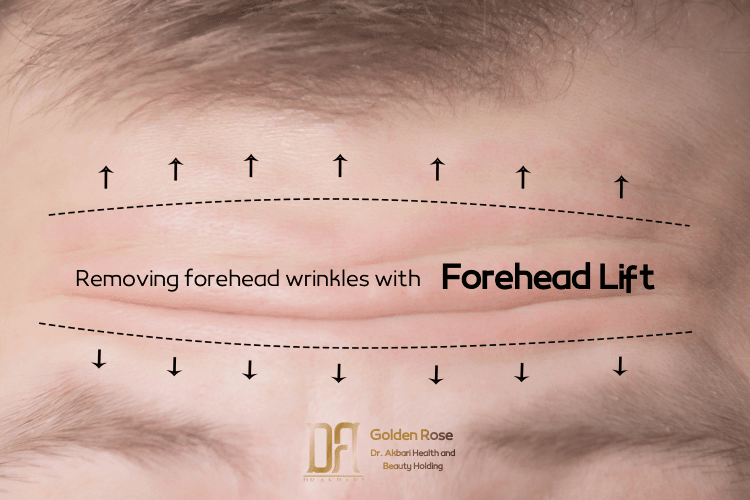
As tissues descend, multiple regions change simultaneously. The forehead appears heavier, the cheeks flatten, the jawline loses definition, jowls develop, and loose tissue forms beneath the chin.
For this reason, treating only one region often creates an unbalanced result.
Supreme Lift was designed as a comprehensive facial rejuvenation procedure capable of improving multiple anatomical regions in harmony.
Potential treatment areas include:
Upper Face
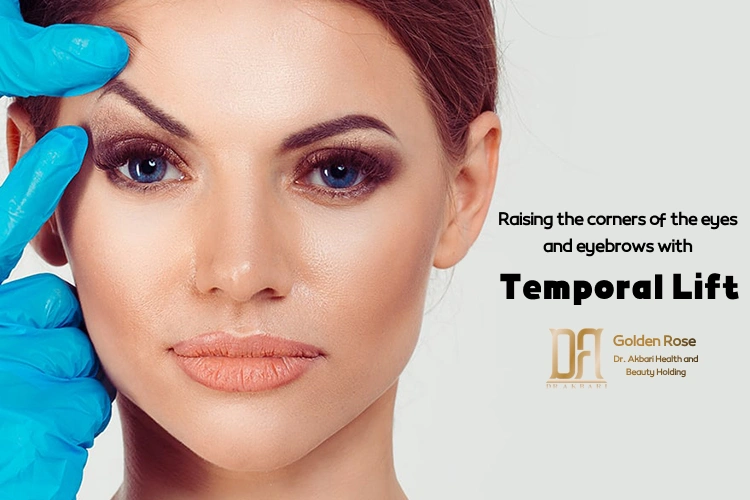
The procedure may elevate the temple region, improve eyebrow position, reduce heaviness around the upper eyelids, and restore a fresher appearance to the upper third of the face.
Midface
Repositioning descended cheek tissues helps restore natural facial volume, improve cheek projection, soften the appearance of nasolabial folds, and recreate youthful facial contours.
Jawline
One of the most noticeable effects of aging is the gradual loss of jawline definition.
By repositioning deeper support tissues, Supreme Lift helps recreate a sharper, more sculpted mandibular contour.
Lower Face
Sagging tissues around the corners of the mouth and along the lower face can contribute to a tired or aged appearance.
Structural lifting improves facial balance while maintaining natural movement and expression.
Chin and Neck
Loose tissues beneath the chin and along the neck can significantly affect facial profile.
Addressing these deeper structures allows improved neck contour and a smoother transition between the jawline and neck without relying solely on skin tightening.
Structural Improvement of Nasolabial Folds
Nasolabial folds are among the most common cosmetic concerns associated with facial aging.
Many patients believe these folds are simply wrinkles that require filling.
In reality, they primarily develop because the cheek fat pads gradually descend over time.
As the supporting tissues move downward, excess skin accumulates above the fold, making it appear deeper.
Dermal fillers can temporarily soften the crease by adding volume beneath the skin.
However, they do not reposition the descended tissues responsible for creating the fold.
Supreme Lift addresses the underlying anatomical cause.
By elevating the midface and restoring the cheek support structures, pressure on the nasolabial fold is reduced naturally, allowing smoother facial contours without relying solely on injectable fillers.
This structural correction contributes to longer-lasting and more harmonious facial rejuvenation.
Correcting Marionette Lines Through Structural Repositioning
Marionette lines are the vertical creases that extend downward from the corners of the mouth toward the chin. These lines often create a tired, sad, or stern facial expression, even when the individual feels energetic and healthy.
Although many people attribute marionette lines to skin aging alone, they are primarily caused by the downward displacement of the lower facial soft tissues. As the supporting muscles and connective tissues weaken over time, the corners of the mouth descend, creating deep folds and contributing to the appearance of jowls.
Traditional treatments such as dermal fillers may temporarily soften these lines by adding volume beneath the skin. However, they do not address the structural changes responsible for their formation.
Supreme Lift approaches marionette lines differently.
Rather than masking the folds, the procedure restores the underlying facial support system. By elevating and repositioning the lower facial tissues, the corners of the mouth regain a more youthful position, reducing the appearance of marionette lines while preserving natural facial expression.
Restoring a Defined Jawline
A well-defined jawline is one of the most recognizable characteristics of a youthful face.
With age, however, the tissues supporting the lower face gradually lose strength. As these structures descend, the once-sharp jawline becomes blurred, and jowls begin to develop along the mandibular border.
This change is often more noticeable than wrinkles themselves because it significantly alters the overall facial silhouette.
Supreme Lift focuses on restoring the structural support responsible for jawline definition rather than simply tightening the skin.
By repositioning deeper facial tissues, the procedure helps recreate a cleaner mandibular contour while maintaining natural proportions. The goal is not to create an exaggerated appearance but to restore the balanced facial architecture associated with youth.
Neck Rejuvenation and Improvement of the Cervicomental Angle
The neck plays an essential role in overall facial aesthetics.
Even when the face appears relatively youthful, loose skin or descended tissues beneath the chin can add years to one's appearance.
Several anatomical factors contribute to neck aging, including weakening of the platysma muscle, loss of skin elasticity, redistribution of fat beneath the chin, and gradual descent of deeper support tissues.
Traditional neck rejuvenation often requires separate surgical procedures involving additional incisions beneath the chin or around the ears.
Supreme Lift aims to improve the transition between the jawline and neck by repositioning deeper support structures whenever appropriate for the individual patient's anatomy.
This structural improvement may enhance neck contour, reduce the appearance of jowls, and create a more youthful cervicomental angle while maintaining natural movement and facial harmony.
Why Long-Term Results Matter
One of the greatest advantages of structural facial rejuvenation is longevity.
Temporary cosmetic procedures often require ongoing maintenance because they add volume or provide external support without correcting the underlying anatomical changes responsible for facial aging.
Once injectable fillers are naturally metabolized or lifting threads dissolve, the visible improvements gradually diminish.
Supreme Lift, by contrast, focuses on repositioning the patient's own facial support tissues.
Because the procedure restores anatomical relationships rather than simply adding volume, improvements are designed to remain stable over time while allowing the face to continue aging naturally.
It is important to understand that no cosmetic procedure can permanently stop the biological aging process. Skin quality, collagen production, and tissue elasticity will continue to change throughout life.
However, restoring the facial framework provides a more durable foundation, allowing patients to maintain a younger appearance for many years compared with untreated aging.
Supreme Lift Compared With Other Facial Rejuvenation Procedures
Patients frequently ask how Supreme Lift differs from other available treatments.
The distinction lies primarily in treatment philosophy.
Injectable fillers restore volume but do not reposition descended tissues.
Thread lifts temporarily suspend superficial tissues but rely on absorbable materials that gradually lose their lifting capacity.
Energy-based treatments improve skin quality by stimulating collagen production but cannot reposition the deep facial support system.
Traditional facelift surgery effectively addresses structural aging but often requires more extensive surgical dissection, longer recovery, and larger incisions.
Supreme Lift combines structural correction with a minimally invasive philosophy, aiming to achieve comprehensive facial rejuvenation while reducing unnecessary tissue trauma whenever clinically appropriate.
Recovery and Return to Daily Activities
Recovery experiences vary depending on the patient's anatomy, overall health, and the extent of treatment performed.
Compared with conventional facelift surgery, minimally invasive structural techniques are generally associated with less postoperative swelling and bruising.
Most patients are able to resume light daily activities relatively soon after treatment, while strenuous exercise should only be resumed according to their surgeon's recommendations.
Careful adherence to postoperative instructions plays an important role in optimizing healing and achieving the best possible long-term outcome.
Regular follow-up appointments allow the surgical team to monitor recovery and ensure that tissues continue healing as expected.
The Origin of Supreme Lift: A Proprietary Innovation by Dr. Akbari Holding
Unlike conventional facelift techniques that have been widely adopted across aesthetic surgery, Supreme Lift was conceived as an independent facial rejuvenation concept through years of dedicated clinical investigation and procedural refinement.
The technique is the result of more than 15 years of continuous research, anatomical studies, surgical development, and clinical experience conducted by the medical research team at Dr. Akbari Holding.
Throughout this development process, every aspect of the procedure—including treatment philosophy, tissue repositioning strategy, surgical workflow, specialized instrumentation, and patient safety protocols—has been carefully evaluated, refined, and optimized to create a comprehensive facial rejuvenation system.
Rather than modifying an existing facelift procedure, the objective was to develop a completely new structural approach that addresses facial aging from its anatomical foundation while minimizing unnecessary surgical trauma.
Today, Supreme Lift represents the signature facial rejuvenation procedure developed exclusively by Dr. Akbari Holding, reflecting years of innovation, clinical expertise, and ongoing scientific advancement.
Because of its proprietary surgical methodology, dedicated clinical protocols, and specialized technical training, the procedure is performed exclusively within Dr. Akbari Holding by clinicians specifically trained in the Supreme Lift system.