
 فارسی
فارسی
Human Papillomavirus (HPV) is one of the most common sexually transmitted infections (STIs) worldwide. With over 150 identified strains, some types cause genital warts, while others are responsible for cancers of the cervix, anus, and throat.
In this article, we will explore what HPV is, how it spreads, its symptoms, prevention methods, and the importance of the Gardasil vaccine in controlling HPV infections.
What Is HPV?
HPV stands for Human Papillomavirus. It is a DNA virus that infects the skin and mucous membranes of the body, including:
- The cervix
- Vagina
- Penis
- Anus
- Urethra
- Mouth and throat
Almost everyone who is sexually active will come into contact with HPV at some point in their lives — even if they have only one sexual partner. In most cases, the immune system clears the virus naturally within two years.
How Is HPV Transmitted?
HPV spreads primarily through direct skin-to-skin or mucous membrane contact during sexual activity. This includes:
- Vaginal intercourse
- Anal intercourse
- Oral sex
Importantly, HPV can be transmitted even without penetration — simple genital-to-genital contact may be enough. Most infected individuals show no symptoms but can still spread the virus to others.
Can You Get HPV from a Pool or Toilet Seat?
No. HPV cannot survive long outside the human body. It requires direct contact with living skin or mucosal cells to spread.
Environmental transmission, such as through swimming pools, toilet seats, or shared towels, is not possible, because:
- The virus lacks a protective outer shell.
- It is sensitive to chlorine, moisture, and temperature changes.
- It cannot survive without human tissue.
According to the Centers for Disease Control and Prevention (CDC), HPV transmission occurs only through direct skin or mucous membrane contact during sexual activity.
Good hygiene practices — such as using personal towels, washing hands, and cleaning public seats — help prevent other infections, but not HPV specifically.
Types of HPV
There are more than 150 types of HPV, grouped into two major categories:
1. Low-Risk HPV
These types cause benign skin or genital warts and rarely lead to cancer.
Common types: HPV 6 and 11, responsible for more than 90% of genital warts.
2. High-Risk HPV
These strains can alter cellular DNA and may lead to cancer, particularly cervical, anal, or throat cancers.
High-risk types include HPV 16 and 18, which account for about 70% of cervical cancer cases worldwide.
Symptoms of HPV Infection
Most HPV infections are asymptomatic. However, in some individuals, symptoms may appear, such as:
- Genital, anal, or oral warts
- Recurrent lesions or sores
- Abnormal cervical cell changes detected by Pap smear
Definitive diagnosis is made through HPV DNA testing or Pap smear screening.
Pap Smear vs. HPV Test
| Feature | Pap Smear | HPV Test |
|---|---|---|
| Purpose | Detects abnormal cervical cells | Detects the presence of HPV DNA |
| Result | Shows if cells are normal or abnormal | Identifies low-risk or high-risk HPV types |
| Frequency | Every 3–5 years (for women over 25) | Often done alongside a Pap test |
Prevention of HPV Infection
While there is no permanent cure for HPV, prevention is possible through simple and effective measures:
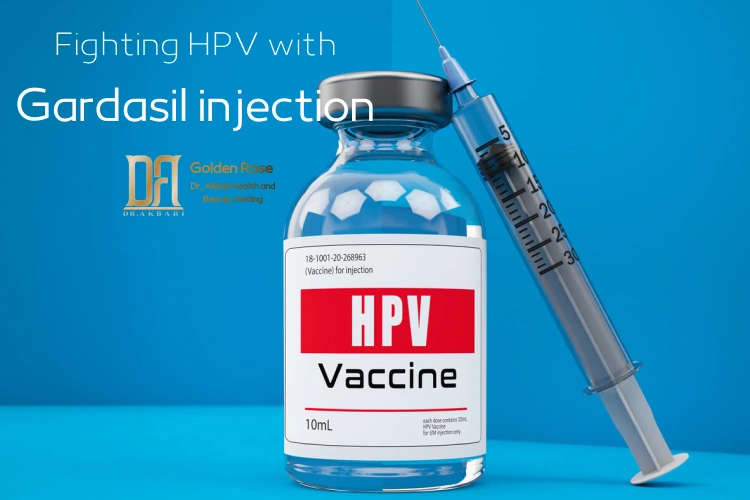
Gardasil Vaccination: The Gardasil vaccine is the most effective method for preventing infection from both low-risk and high-risk HPV types.
Condom Use: Using condoms reduces the risk of HPV transmission but does not provide full protection, as HPV can infect uncovered areas.
Limiting Sexual Partners: Fewer partners mean a lower chance of exposure to the virus.
Regular Screening: Routine Pap smears and HPV tests help detect early changes in cervical cells before cancer develops.
The Gardasil Vaccine and Its Effectiveness
The Gardasil vaccine trains your immune system to recognize and fight HPV before infection occurs. It contains virus-like particles (VLPs) that mimic the HPV shell but contain no viral DNA, making it completely safe and non-infectious.
Types of Gardasil Vaccines
- Gardasil 4 (Quadrivalent): Protects against HPV types 6, 11, 16, and 18.
- Gardasil 9 (Nonavalent): Protects against nine types — 6, 11, 16, 18, 31, 33, 45, 52, and 58.
Recommended Age and Dosage
- Ideal age: 11–13 years (for both boys and girls).
- Can be given up to age 45, especially if the individual has not been exposed to HPV.
- Dosage:
- 2 doses for individuals under 15
- 3 doses for those aged 15 and above
Treatment Options for HPV
There is no direct treatment for the HPV virus itself, but most infections clear naturally with a healthy immune system.
Treatment focuses on managing symptoms such as warts or precancerous lesions:
- Topical medications
- Cryotherapy (freezing the warts)
- Laser therapy
- Minor surgical removal
For high-risk cases, regular follow-up and monitoring are essential.
Gardasil vs. Papilloguard: Key Differences
Two major HPV vaccines are available: Gardasil (by Merck, USA) and Papilloguard (Iranian-made).
| Feature | Gardasil 9 | Papilloguard |
|---|---|---|
| Manufacturer | Merck (USA) | Iran |
| HPV Types Covered | 6, 11, 16, 18, 31, 33, 45, 52, 58 | 16, 18 |
| Technology | Yeast-based recombinant VLP | Insect cell-based recombinant VLP |
| Contains Live Virus? | ❌ No | ❌ No |
| Approval | FDA & EMA approved | Approved by Iran’s Ministry of Health |
Both vaccines are recombinant subunit vaccines, meaning they contain only the viral shell protein (L1) and no live or genetic viral material, ensuring complete safety.
HPV Vaccination at Dr. Akbari’s Clinic in Tehran
At Dr. Akbari’s Specialized Clinic in Farmanieh, Tehran, Gardasil vaccination is performed under strict medical supervision using internationally approved storage and administration protocols.
Our clinic provides safe, professional, and evidence-based vaccination services for both men and women.
To schedule an appointment or learn about current vaccine availability, visit the Gardasil vaccination booking page.